Stop Contaminating Recycling: plseco’s Guide to Proper Compostable Bag Disposal
Are Compostable Bags Recyclable? plseco’s Essential Guide to Responsible Disposal
If you’ve ever hesitated in front of a recycling bin, holding a compostable bag and wondering “Does this belong here?”—you’re far from alone. The line between “compostable” and “recyclable” is one of the most confusing hurdles in sustainable living. Many eco-minded people assume combining the two amplifies their green impact, but the reality is eye-opening: compostable bags are not recyclable—and tossing them in recycling bins does more harm than good.
As a trusted leader in biodegradable packaging with over a decade of expertise, plseco is here to cut through the confusion. In this guide, we’ll explain why compostable and recyclable systems are incompatible, the hidden consequences of cross-contamination, and how to properly dispose of plseco’s compostable bags to unlock their full environmental potential.
1. The Core Truth: Compostable and Recyclable Are Not Interchangeable
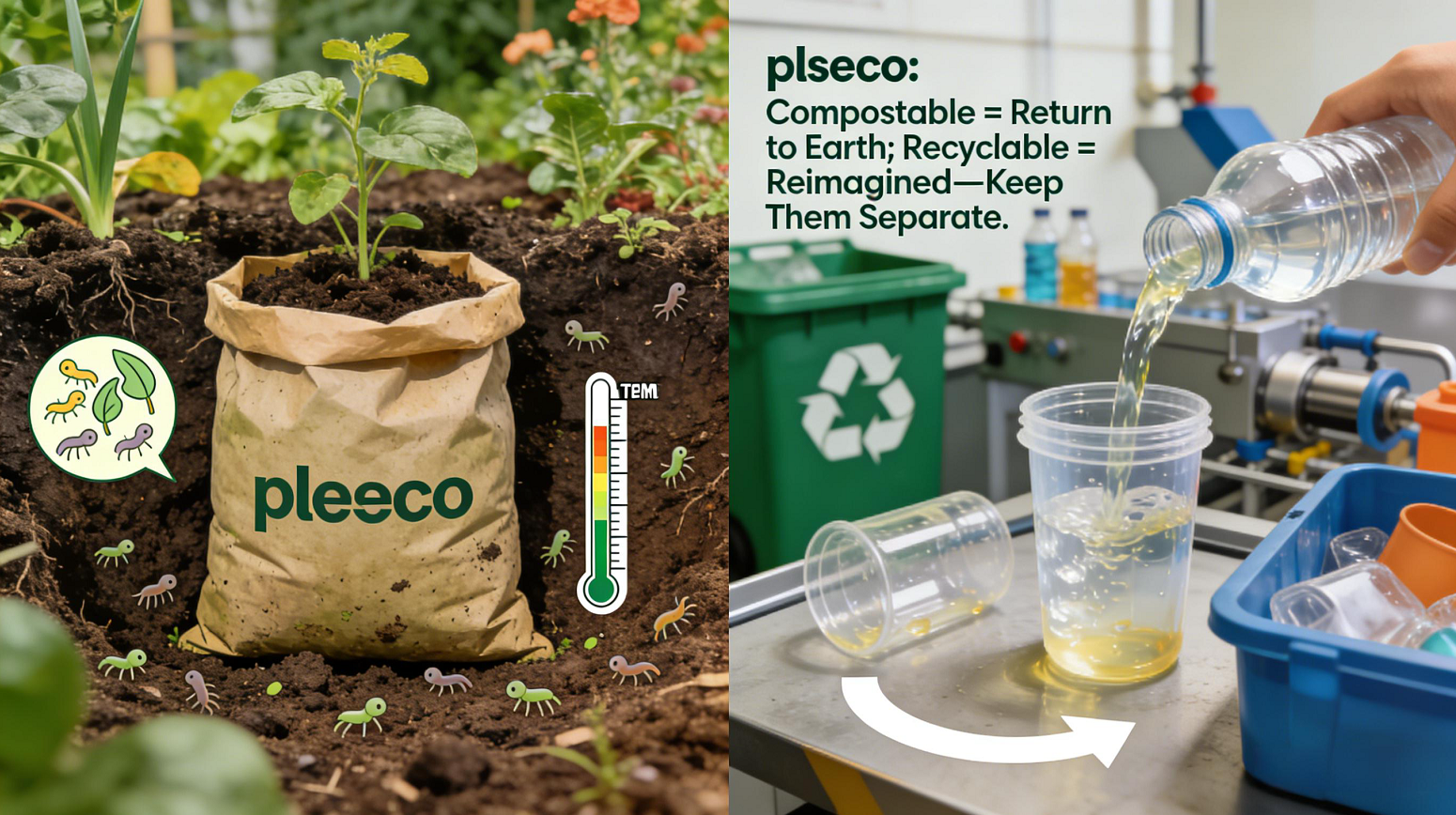
Compostable bags and recyclable plastics are engineered for entirely distinct life cycles—their materials, molecular structures, and end goals are worlds apart. Mixing them is like trying to recycle a piece of fruit with aluminum cans: it disrupts the entire process and renders both materials less useful.
Key Distinctions: Compostable vs. Recyclable
| Aspect | Compostable Bags (plseco Style) | Recyclable Plastics (e.g., PET, HDPE) |
| Material Source | Plant-based blends (PLA, PBAT, non-GMO cornstarch) | Fossil fuel-derived polymers (petroleum-based) |
| Molecular Build | Fragile, biodegradable chains that disintegrate with heat and moisture | Durable, stable chains designed to withstand melting and reshaping |
| Ultimate Purpose | Break down into water, CO₂, and nutrient-rich humus | Be reformed into new plastic products (bottles, containers, etc.) |
Processing Requirements | Microbial activity, 50-60°C temperatures, and consistent moisture | Precise sorting, thorough washing, and high-heat melting |
Contamination Risk | Destroys the value of recyclable batches if mixed | Even tiny amounts of foreign material ruin entire loads |
plseco’s compostable bags are intentionally crafted to decompose in compost environments—not survive the rigors of recycling. Their plant-based polymers start breaking down when exposed to the heat and moisture of recycling facilities, making them a disruptive force in sorting and processing.
2. The Hidden Consequences of Misplacing Compostable Bags
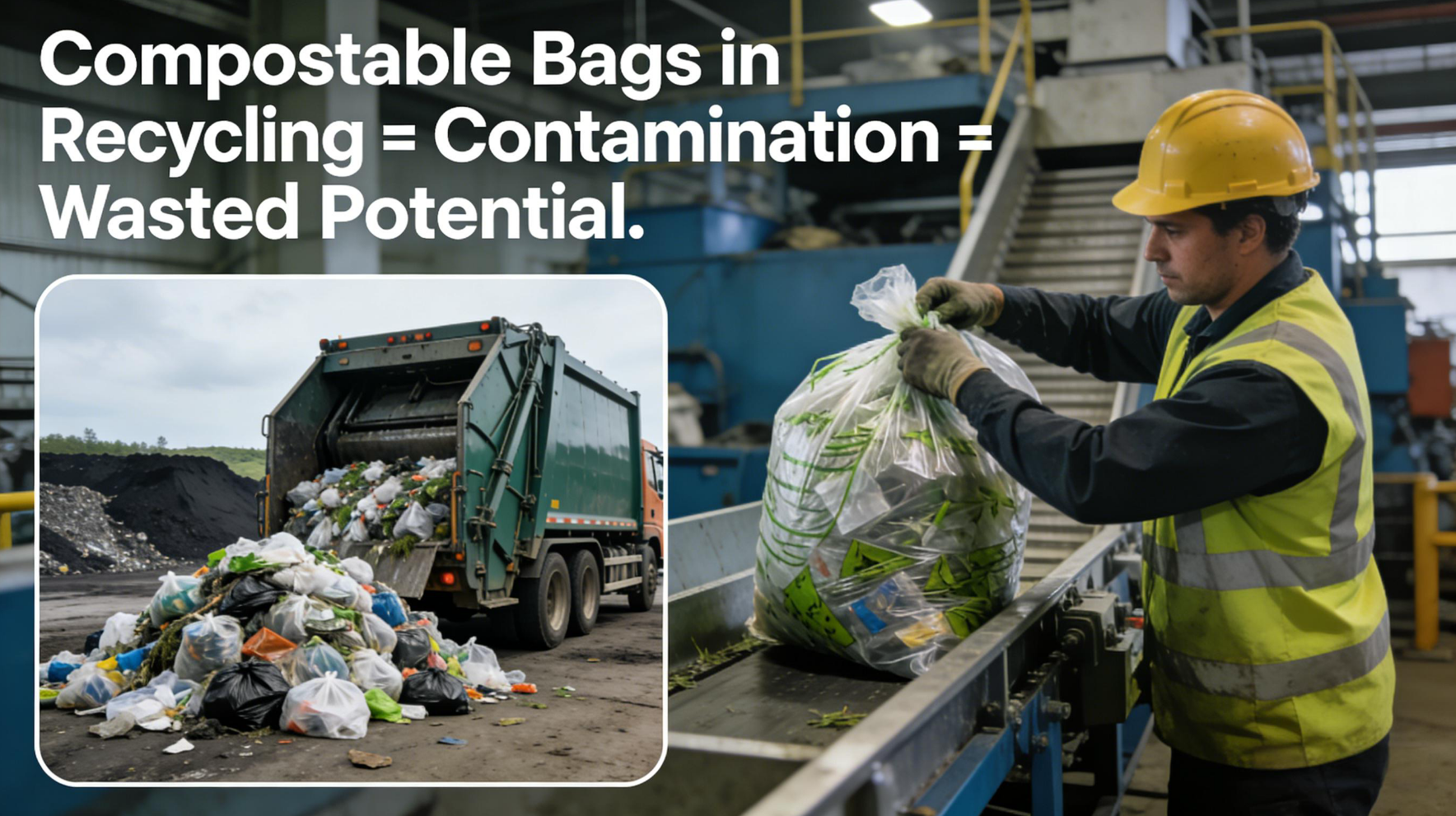
When compostable bags end up in recycling bins, they trigger a chain of problems for facilities, budgets, and the planet—undermining the very sustainability you’re striving for.
Consequence 1: Costly Machinery Disruptions
Compostable bags are lightweight and stretchy. During recycling sorting, they easily wrap around conveyor belts, optical scanners, and melting augers—causing crippling jams that shut down facilities for hours. Even one misdisposed plseco bag can halt an entire sorting line, costing facilities thousands in downtime, repairs, and lost productivity.
Consequence 2: Ruined Recyclable Batches
Recycling depends on purity to produce high-quality recycled plastic. When compostable bags sneak into the mix:
They melt at lower temperatures than traditional plastics, creating bubbles, weak spots, and discoloration in the final product.
They release gases during melting, contaminating entire batches—often leading to loads being rejected and sent straight to landfills.
A leading North American recycling facility reported that just 3% compostable bag contamination can make an entire truckload of plastic unrecyclable.
Consequence 3: Wasted Resources, Doubled Environmental Impact
Compostable bags are meant to nourish soil; recyclable plastics are meant to be reused. When they’re mixed, both end up wasted:
- The compostable bag can’t decompose in a landfill (where oxygen and moisture are scarce), so it behaves like conventional plastic.
- The recyclable plastic is too contaminated to process, so it’s dumped instead of being repurposed into new products.
It’s a double loss for the planet—and a waste of your effort to choose sustainable options.
3. How to Spot Genuine Compostable Bags (Avoid Greenwashing)
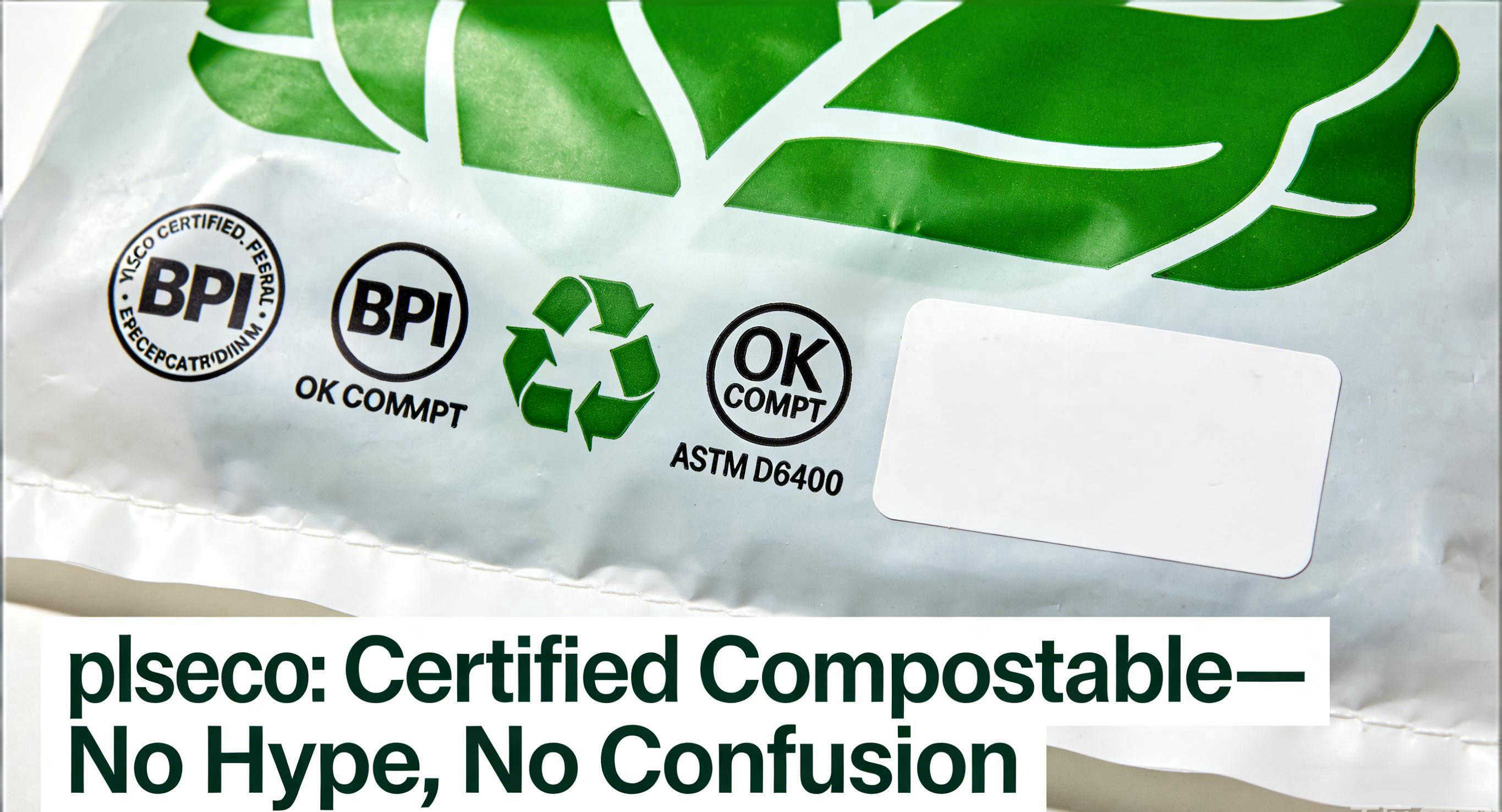
Not all “eco-friendly” bags live up to their claims. To ensure you’re buying a product that works as intended (and won’t harm recycling systems), look for third-party certifications—the only reliable way to verify true compostability.
plseco’s bags carry three industry-leading certifications, so you never have to second-guess:
- BPI (ASTM D6400): North America’s gold standard—guarantees 90% decomposition in industrial compost within 180 days.
- OK Compost INDUSTRIAL: European certification ensuring full compostability in commercial facilities, aligned with EU waste regulations.
- OK Compost HOME: Validates decomposition in backyard compost bins (for select plseco products, such as kitchen food waste bags).
Steer clear of bags labeled only “biodegradable”—this unregulated term often means the product breaks into microplastics (not fully decomposes) and is easily mistaken for recyclable plastic. plseco’s clear, certified labeling takes the guesswork out of sustainable shopping.
4. The Right Way to Dispose of plseco’s Compostable Bags
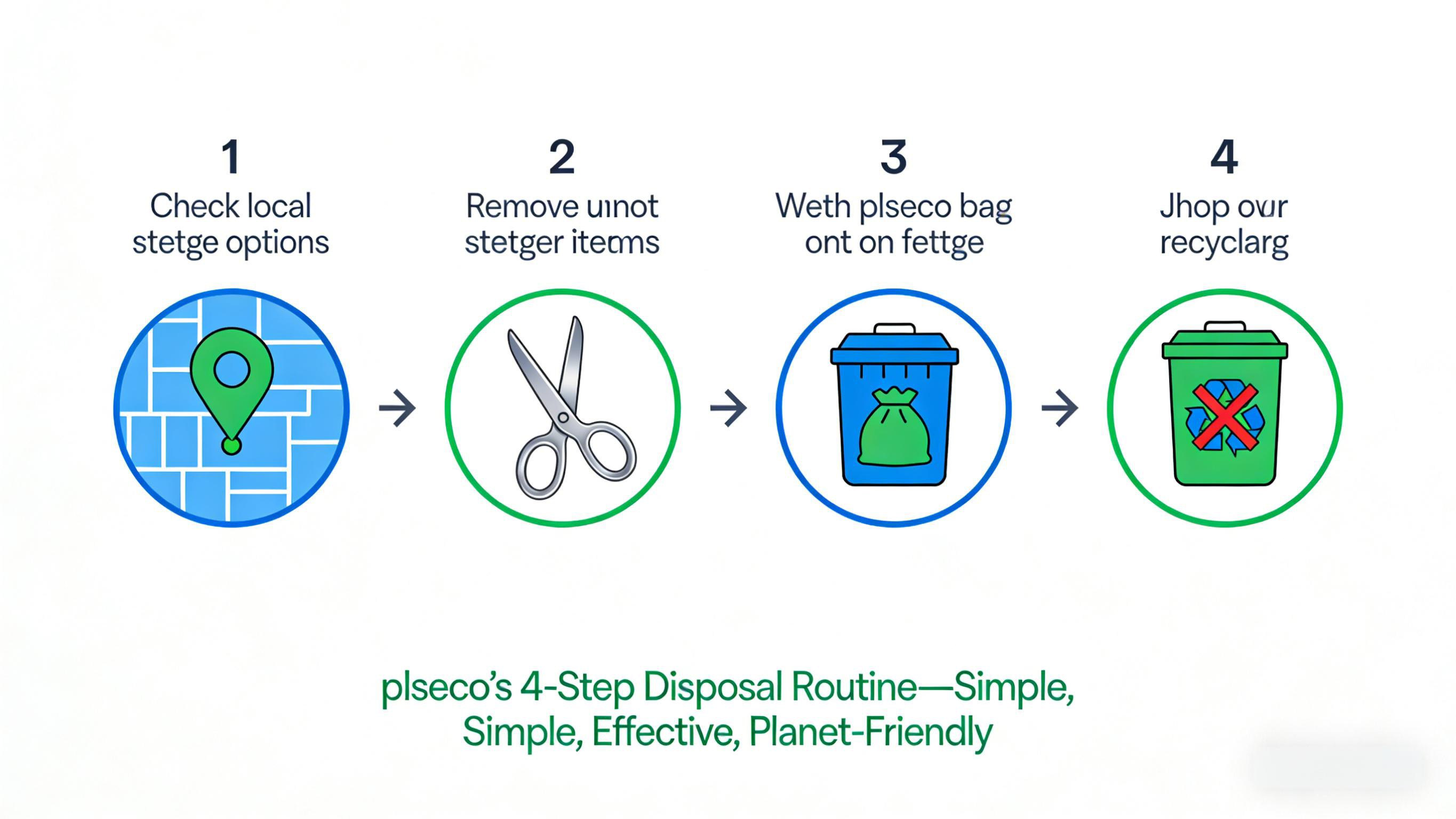
To maximize the environmental benefits of plseco’s compostable bags, follow these three simple steps—tailored to the composting options available in your area:
Step 1: Identify Local Compost Resources
Compostable bags need specific conditions to decompose. Start by checking what’s available near you:
Curbside Compost Collection: Many cities (e.g., Seattle, Portland, London, Toronto) now accept compostable packaging in food waste bins. plseco’s bags are approved for curbside programs in 90% of U.S. and EU cities with compost collection.
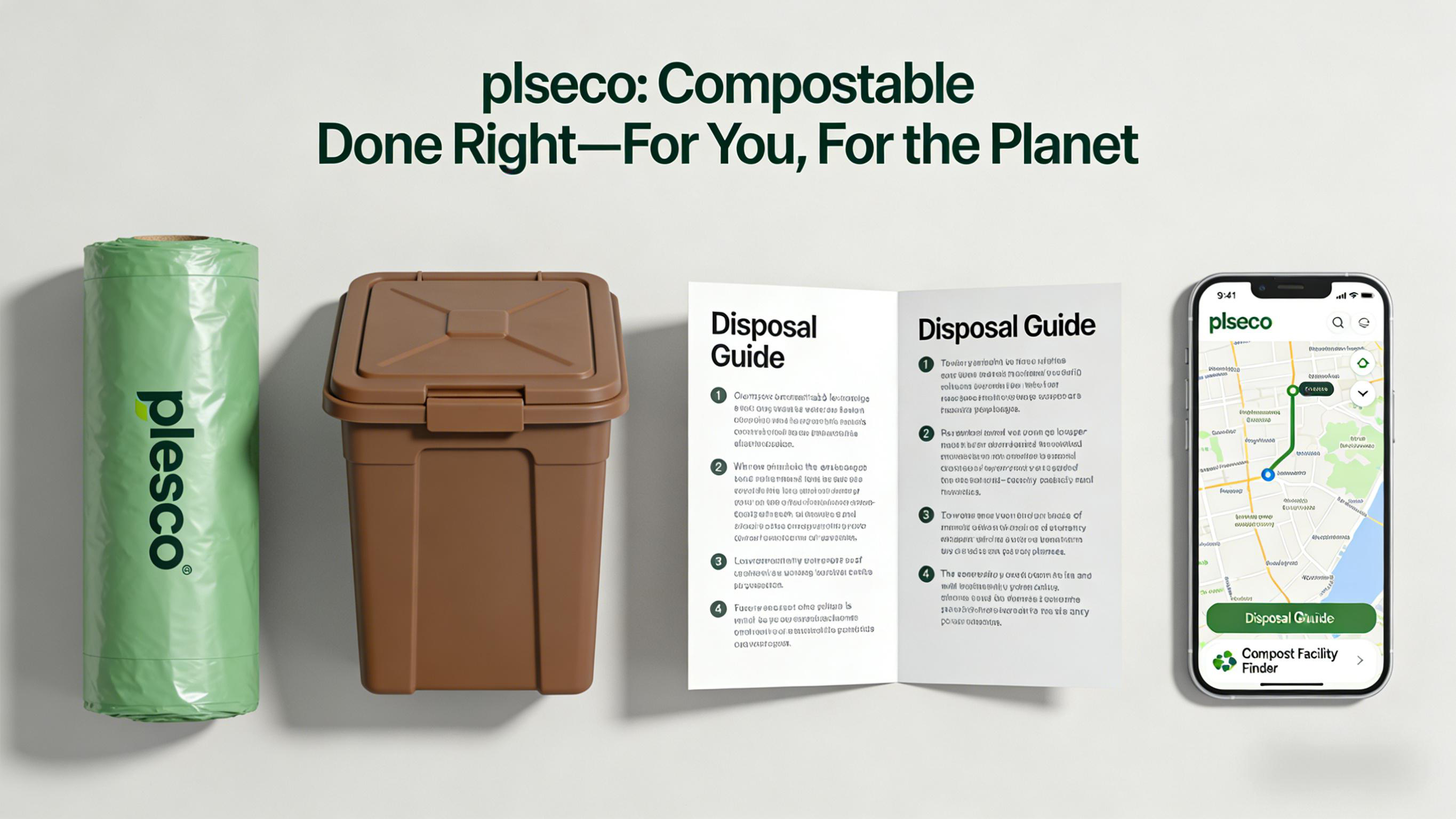
Industrial Compost Facilities: Use plseco’s free “Compost Facility Finder” (on our website) to locate drop-off points—we’ve mapped over 5,000 certified facilities worldwide.
Home Compost: For OK Compost HOME-certified plseco bags (like kitchen food waste bags), toss them directly into your backyard compost bin. Mix with dried leaves or sawdust (2:1 ratio) to balance moisture and speed up decomposition.
Step 2: Prep for Proper Disposal
- Remove any non-compostable items (e.g., plastic stickers, metal fasteners) from the bag before disposal.
- For food waste bags: Seal the bag tightly to lock in odors, then add it directly to your compost bin—no need to empty the contents (plseco’s bags decompose right alongside food scraps!).
Step 3: Remember the Golden Rule
If it’s labeled “compostable” (and certified!), never put it in recycling. If it’s recyclable (e.g., plastic bottles, paper), never put it in compost. This simple rule prevents cross-contamination and ensures your sustainable choices make a real difference.
5. Why plseco’s Compostable Bags Are Built for Responsible Disposal
At plseco, we don’t just make compostable bags—we design them to fit seamlessly into real-world waste systems, minimizing confusion and contamination:
Clear, Bold Labeling: Every bag features prominent “Do Not Recycle—Compost Only” text and certification logos, so even first-time users know exactly how to dispose of it.
Dual-Certified Options: Choose industrial or home compostable bags based on your local infrastructure—we have solutions for every community.
Free Education Resources: Our website offers guides, facility maps, and video tutorials to help you (and your customers) master proper disposal.
Distinctive Design: plseco’s bags are tinted a soft green (different from clear/white recyclable plastics) to help sorting facilities spot them quickly.
A café in Boston that switched to plseco’s bags shared: “The clear labels mean our customers never mix them up. We’ve even had regulars tell us the disposal guide inspired them to start composting at home—win-win for everyone!”
6. The Bottom Line: Compostable Bags Succeed When Disposed of Correctly
Compostable bags are a powerful weapon in the fight against plastic pollution—but only when used as intended. Putting them in recycling bins turns a sustainable solution into a recycling hazard, while directing them to compost facilities closes the loop: plseco’s bags become nutrient-rich soil, feeding plants instead of clogging landfills.
When you choose plseco, you’re not just buying a bag—you’re joining a movement of responsible sustainability. We’re here to make it easy, with certified products, clear guidance, and support every step of the way.
Ready to choose compostable bags the right way?
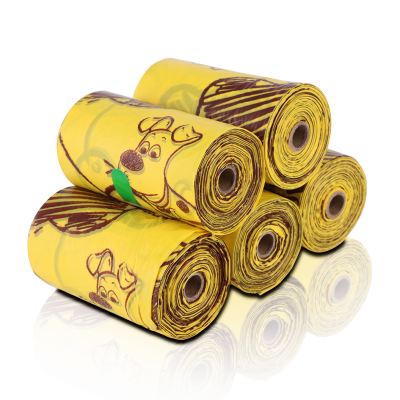
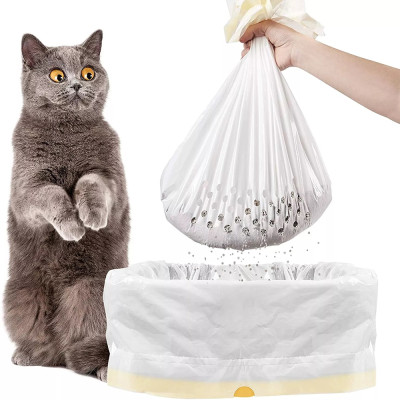
- Order plseco’s certified compostable bags (available in retail, food service, and pet waste styles).
- Download our free “Local Compost Guide” to find facilities near you.
- Request a sample to test quality, durability, and our clear labeling firsthand.