Safe Dog Poop Composting with plseco: Certified Bags + Odor-Free Techniques
Can You Compost Dog Poop bag? Safe Techniques with plseco’s Compostable Bags
As a pet owner, you want to do right by your furry friend and the planet—but when it comes to dog poop bag , the question of “can I compost it?” is often met with hesitation. The short answer: yes, you can compost dog poop bag safely—but only if you follow two critical rules: maintain high heat to kill pathogens, and use a certified compostable bag to avoid plastic contamination.
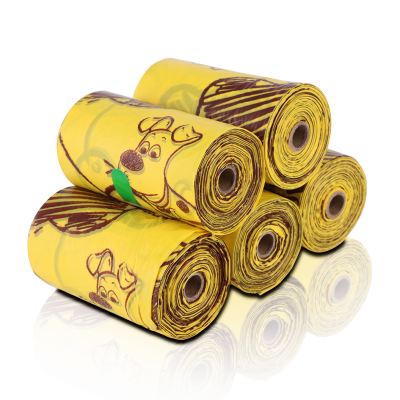
At plseco, we’ve spent 12 years perfecting compostable solutions for pet owners, and our certified compostable pet waste bags are designed to make safe, sustainable waste management simple. In this guide, we’ll break down why composting dog poop works, the mistakes to avoid, and how plseco’s bags turn a messy chore into a planet-friendly routine.
1. First: Why Composting Dog Poop Isn’t the Same as Composting Veggie Scraps
Dog poop bag isn’t like fruit peels or coffee grounds—its high concentration of bacteria (like E. coli) and parasites (such as roundworms) means it needs special treatment to be safe for compost. The key to neutralizing these pathogens? Sustained high heat—temperatures above 140°F (60°C) for at least three days.
Traditional backyard compost piles for food scraps rarely hit this temperature consistently, which is why dog poop requires a dedicated system. But even the best compost setup fails if you use a conventional plastic bag: plastic doesn’t break down, leaving microplastics in your compost and ruining the entire cycle.
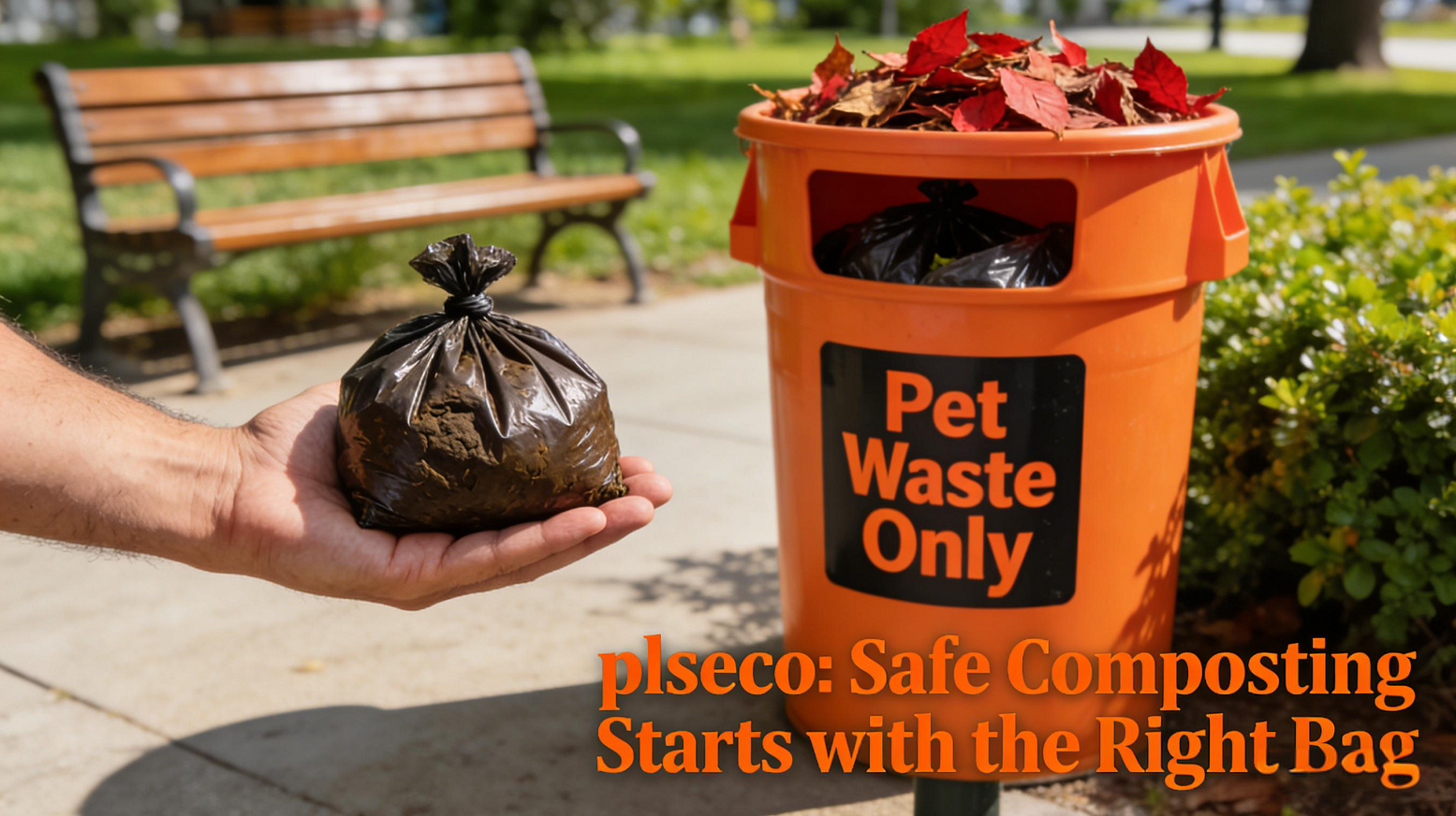
This is where plseco’s compostable bags become the foundation of safe pet waste composting—they let you skip the messy step of emptying poop into the bin (gross!) and instead add the entire bag directly to your composter, no plastic included.
2. Compostable vs. Biodegradable: Why Only Certified Bags Work
Not all “eco-friendly” bags are created equal—and choosing the wrong one can do more harm than good. Here’s the critical difference every pet owner needs to know:
Biodegradable Bags
A vague, unregulated term. These bags often break down into microplastics (tiny plastic fragments) that contaminate soil and water, defeating the purpose of composting.
Compostable Bags
Must meet strict global standards (like ASTM D6400, BPI, or EN13432) to guarantee full decomposition into harmless organic matter within 180 days. They’re the only choice for true sustainability.
plseco’s pet waste bags are dual-certified by BPI (ASTM D6400) and OK Compost HOME—meaning they break down completely in both industrial compost facilities and backyard compost bins. No microplastics, no toxic residues—just nutrient-rich humus that feeds your plants.
🚫 Red Flag Alert: If a bag says “biodegradable” but doesn’t have BPI or ASTM D6400 certification, it’s not safe for composting. Stick to certified compostable bags to protect your soil and health.
3. How to Compost Dog Poop Safely: A Step-by-Step Guide (with plseco Bags)
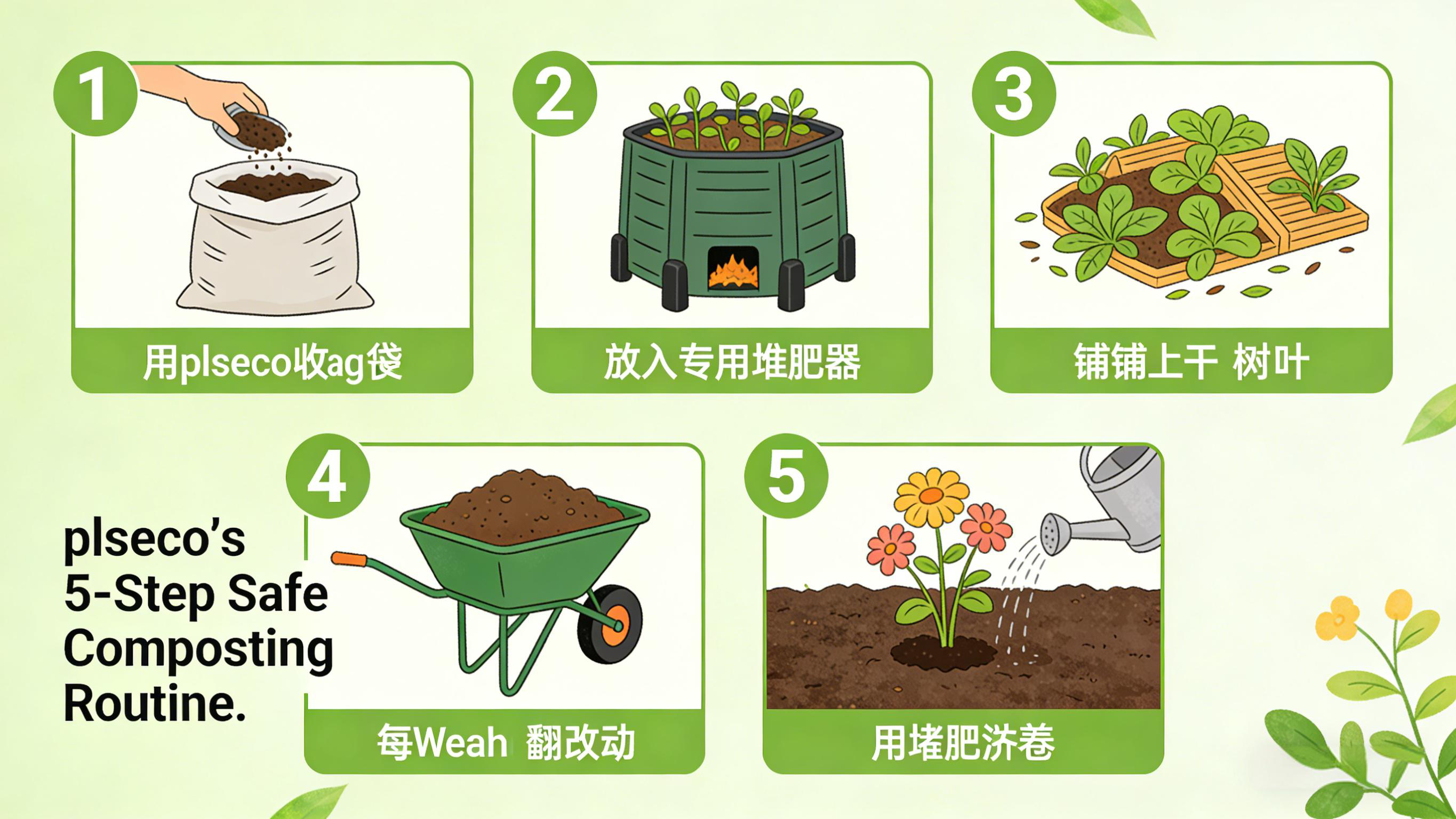
Composting dog poop doesn’t have to be complicated—with plseco’s compostable bags and a dedicated system, it’s a straightforward, odor-controlled process. Follow these steps:
| Step 1: Gear Up with plseco’s Certified Compostable Bags | Use plseco’s pet waste bags to collect poop—they’re thick (0.02mm) to prevent leaks, tear-resistant, and designed to break down alongside the waste. No need to empty the bag later—just toss the whole thing into your composter. | ||
| Step 2: Use a Dedicated Composter (No Food Scraps!) | Invest in a closed, enclosed compost tumbler or bin—never mix dog poop compost with food scraps (this avoids cross-contamination). Look for a bin with good airflow and a lid to control odors and keep pests out. | ||
| Step 3: Layer with “Brown” Materials | After adding the plseco bag to the bin, cover it with a “brown” material (dried leaves, sawdust, shredded paper) at a 2:1 ratio (browns to pet waste). This soaks up moisture, reduces odors, and provides carbon to balance the nitrogen in poop—critical for heating the pile. | ||
| Step 4: Maintain Heat and Moisture | Keep the compost pile moist (like a wrung-out sponge) and turn it weekly with a pitchfork or compost aerator. Turning promotes aerobic activity, which helps the pile reach 140°F (60°C)—the temperature needed to kill pathogens. | ||
Step 5: Use Compost on Non-Edible Plants | Let the compost cure for 6-12 months (longer if you’re unsure). Once it’s dark, crumbly, and odor-free, use it to fertilize flowers, shrubs, or lawns—never on edible plants (like vegetables or herbs) to avoid health risks. | ||
4. Why plseco’s Compostable Pet Waste Bags Are a Game-Changer
Pet owners choose plseco’s bags not just for sustainability, but for practicality too. Here’s what sets them apart:
| Certified Safety | BPI (ASTM D6400) and OK Compost HOME certifications guarantee full decomposition—no microplastics, no pathogens left behind. | ||
| Durability | Thick, tear-resistant material prevents leaks during walks or composting (no more messy accidents!). | ||
| Odor Control | Our bags are infused with natural lavender essential oil (optional) to mask odors—making clean-up more pleasant. | ||
| Convenience | Toss the entire bag into the composter—no need to handle waste directly. It turns a two-step chore into one simple action. | ||
A plseco customer in Portland shared: “I used to dread composting my dog’s poop because of the mess—now I just grab a plseco bag, toss it in the tumbler, and forget about it. My flower beds have never looked better!”
5. Common Myths About Composting Dog Poop Bag (Debunked)
Myth 1: Composting dog poop is unsanitary.
Fact: When done correctly (high heat + certified compostable bags), it’s completely safe—pathogens are killed, and the result is clean, nutrient-rich compost.
Myth 2: Any “eco-friendly” bag works.
Fact: Only certified compostable bags break down fully. Biodegradable bags leave microplastics, which contaminate your compost and soil.
Myth 3: It’s too time-consuming.
Fact: With plseco’s bags and a compost tumbler, it takes just 2 minutes a week to turn the pile—no extra work required.
6. Ready to Turn Dog Poop Into Garden Gold?
Composting dog poop is one of the most impactful ways to reduce landfill waste (the average dog produces 274 pounds of poop per year!) and give back to the planet. And it all starts with the right bag.
plseco’s compostable pet waste bags make safe composting easy, clean, and effective—so you can care for your dog and the environment at the same time.
Take the first step:
- Order plseco’s Compostable Pet Waste Bags (available in rolls of 30/60/120) and a free compost guide.
- Request a sample to test the durability and odor control for yourself.
- Join our community of eco-conscious pet owners sharing tips for sustainable pet care.